West Africa
Solar inverters (kVA), lithium batteries and solar panels for Nigeria
GZ Merx exports solar equipment from Guangzhou to customers in Nigeria: solar panels, hybrid and off-grid inverters, LiFePO4 batteries, solar water pumps and complete solar systems. Below you will find the technical facts that matter when you order for Nigeria — grid standard, solar potential, ports and transit time.
Chat on WhatsApp✓ Best price guaranteed Factory-direct prices with no middlemen, and an itemised quotation within 24 hours.
Key facts for solar projects — Nigeria
| Grid voltage & frequency | 220–240 V, 50 Hz (three-phase 380–415 V) |
|---|---|
| Recommended inverter | Standard 230 V single-phase or 400 V three-phase models |
| Solar potential | Very good — about 4.8 to 5.5 peak sun hours/day |
| Main port(s) / route | Lagos (Apapa, Tin Can, Lekki), Onne, Port Harcourt |
| Typical sea transit from China | 35–50 days |
| Shipping terms | EXW, FOB, CFR, CIF |
In Nigeria inverters are sized in kVA (1.5, 3.5, 5, 10 kVA) and many homes are moving from tubular batteries to lithium LiFePO4 for longer life. We ship hybrid inverters, 48 V lithium batteries and mono panels to Lagos (Apapa, Tin Can, Lekki), and you can replace your generator with solar step by step.
Climate: hot and humid with heavy rain. Use IP65 inverters, corrosion-resistant aluminium mounting with stainless fasteners, surge and lightning protection, and keep batteries in a dry, ventilated room.
With 5.2 peak sun hours, each 1 kW of solar panels in Nigeria produces roughly 4.2 kWh per day — so a 5 kW system makes about 21 kWh per day.
Frequent power cuts make hybrid inverters with LiFePO4 batteries the most requested solution for homes and businesses in Nigeria.
Agriculture and water supply are major uses: solar pump inverters and solar pumps can replace diesel for irrigation in Nigeria.
In West Africa many homes and businesses rely on generators. Solar plus lithium storage cuts fuel costs dramatically. Hybrid and off-grid inverters with generator input, LiFePO4 batteries and solar street lights are in high demand; humid coastal climates favour IP65 equipment.
Recommended equipment for Nigeria
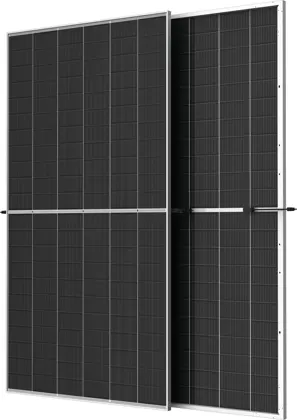
Vertex N TSM-NEG21C.20
695–720 W- N-type cells with lower degradation
- TOPCon cell technology
- Bifacial — extra yield from the rear side
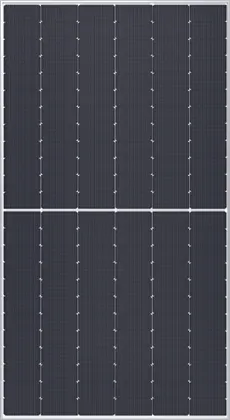
Hi-MO 7 LR7-72HGD
585–620 W- HPDC cell technology for higher output
- Bifacial — extra yield from the rear side
- Dual-glass construction for long life
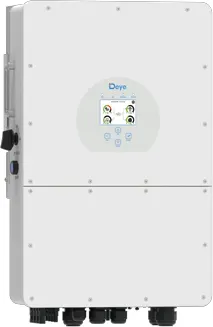
SUN-5–25K-SG01HP3-EU
5–25 kW- Hybrid: solar, battery and grid in one unit
- Three-phase output
- High-voltage battery compatible
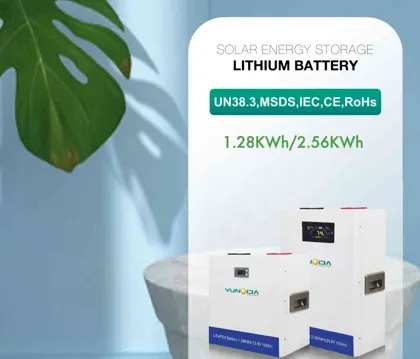
YQD-LFO LiFePO4 battery
12.8–51.2 V- LiFePO4 (lithium iron phosphate) chemistry
- 6000+ charge cycles
- Built-in BMS protection
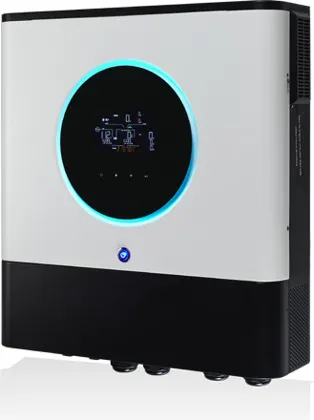
Axpert MAX II 6500
6.5 kW- Off-grid operation for weak or no grid
- Pure sine wave output
- Parallel operation for larger systems
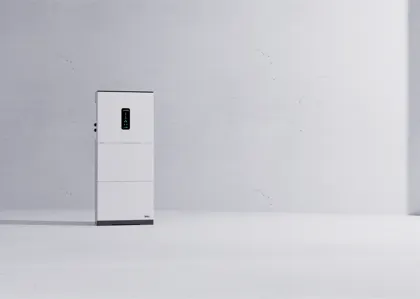
Nimbus all-in-one energy storage
3–12 kW- Hybrid: solar, battery and grid in one unit
- All-in-one design: inverter and battery together
- Single-phase output
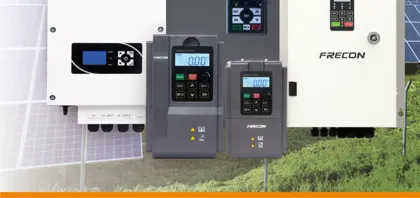
PV150A / PV500 / PV530 / PV580 solar pump inverter
0.4–630 kW- MPPT tracking for maximum water output
- Dry-run and tank-full protection
- Accepts solar DC and grid/generator AC
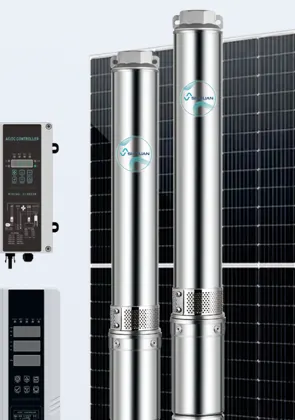
3DCP / AC-DC solar water pumps
DC / AC-DC- MPPT tracking for maximum water output
- Accepts solar DC and grid/generator AC
- Dry-run and tank-full protection
How ordering works for Nigeria
- Send your requestProduct list, quantities or the system size you need, plus your destination port.
- Receive a quotationModels, prices, delivery time and shipping cost — usually within 24 hours.
- Confirm and pay the depositWe place the order with the factories and share production updates.
- Inspection and balanceGoods are checked and packed; the balance is paid before shipment.
- Shipping and documentsYour container sails; you receive the B/L and all customs documents.
Frequently asked questions
Do you ship solar panels and batteries to Nigeria?
Yes. We ship solar panels, inverters, lithium batteries and complete solar systems to Nigeria via Lagos, with commercial invoice, packing list, bill of lading and certificate of origin.
How long does shipping from China to Nigeria take?
Sea transit is typically about 35–50 days, plus 7–25 days for production and loading. We confirm the exact schedule when you order.
Which inverter works with the grid in Nigeria?
The grid is 220–240 V, 50 Hz (three-phase 380–415 V). We recommend: Standard 230 V single-phase or 400 V three-phase models.
Can I buy a complete solar system for Nigeria?
Yes. We supply matched kits — panels, inverter, batteries, cables and mounting — from 3 kW for homes to 100 kW+ for businesses.
How much does a solar system cost in Nigeria?
It depends on the system size, inverter type, battery capacity and quantity, and changes with factory prices and freight, so we don't publish a fixed price list. We guarantee you the best price: send us your load list or the size you need and we reply within 24 hours with an itemised quotation including shipping to Lagos.
Other countries in this region
Tell us what you need — get a quotation within 24 hours
Send your product list, system size or project drawing on WhatsApp or by email.
✓ Best price guaranteed